
sandblasted glass designs for doors
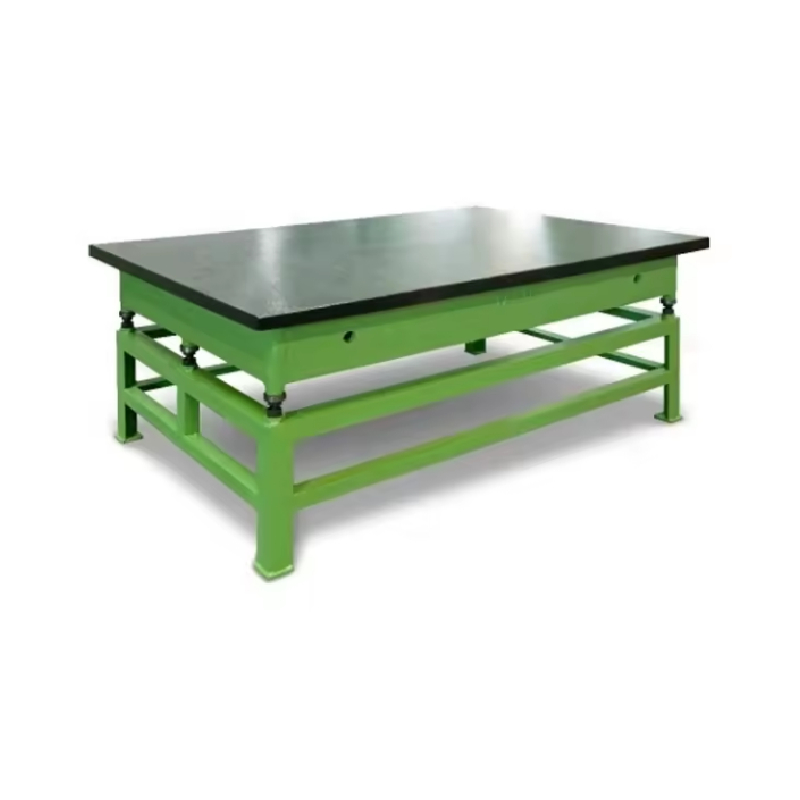
Understanding Surface Plate Prices Factors Influencing Cost and Value When it comes to precision measurement and quality control in manufacturing and engineering industries, surface plates play a pivotal role. These flat, stable surfaces are used as a reference plane for various measuring and layout operations. However, their prices can vary significantly, depending on several factors. This article explores the elements that influence the pricing of surface plates and why investing in a quality product is essential for accuracy and efficiency. Types of Surface Plates Surface plates come in various types, materials, and sizes, each catering to different industrial needs. The most common materials include granite, cast iron, and ceramic. 1. Granite Surface Plates Known for their durability and stability, granite surface plates are the most popular choice among manufacturers. They are highly resistant to wear and deformation, making them ideal for precision measurements. Prices for granite plates can range widely based on the size and grade of the granite. 2. Cast Iron Surface Plates Generally less expensive than granite, cast iron surface plates are also common. They are heavy and can absorb vibrations, but they may be more prone to wear over time. They are often utilized in environments where extreme precision is not the highest priority. 3. Ceramic Surface Plates These plates offer a high degree of hardness and thermal stability. While they can be costlier than granite, they provide advantages in certain high-tech industries, particularly where temperature fluctuations are a concern. Factors Affecting Surface Plate Prices surface plate price 1. Material Quality The material used significantly impacts the surface plate’s price. Higher grades of granite, for instance, are more expensive due to their quality and the precision required in crafting them. The purity and the absence of imperfections in the material are crucial for ensuring that the plate maintains its flatness over time. 2. Manufacturing Precision The tolerance specifications of surface plates are another critical factor. Plates that are manufactured to tighter tolerances (i.e., aircraft-grade specifications) typically command higher prices. This level of precision is necessary in fields that demand rigorous adherence to measurement standards. 3. Size The dimensions of the surface plate also play a vital role in the pricing. Larger plates naturally cost more due to the increased material requirements and challenges in transportation and handling. 4. Finish and Features Additional features such as anti-wear coatings, embedded scales, or specialized finishes can raise the price. These enhancements can provide durability and capabilities that justify an increased investment, particularly in demanding environments. 5. Supplier and Brand Reputation Well-established suppliers with a reputation for quality and reliability may charge higher prices due to their brand equity. In contrast, lesser-known brands might offer competitive pricing but may not guarantee the same level of precision or durability. The Importance of Investing Wisely While it may be tempting to opt for the cheapest surface plate available, this can lead to long-term costs outweighing the initial savings. A poor-quality surface plate can result in inaccuracies in measurement, leading to defective products, wasted materials, and compromised safety. Investing in a high-quality surface plate can enhance efficiency and accuracy, ultimately saving money in the production process. In conclusion, understanding surface plate prices involves considering the type of plate, the materials used, size, and the precision required for specific applications. The investment in quality equipment is crucial for maintaining standards in measurement and achieving the desired outcomes in manufacturing and engineering. Therefore, while it’s essential to be mindful of budget constraints, prioritizing quality and precision will yield long-term benefits and reliability in operations.
about
sandblasted glass designs for doors
Roof truss plates play a critical role in providing stability and support to the roof structure of a building. These plates are essential components of roof trusses, which are triangular frameworks that support the weight of the roof and distribute it evenly across the walls of the building. By connecting the individual members of the truss together, the truss plates ensure that the roof can withstand various forces such as wind, snow, and the weight of the roof itself. Truss plates are typically made of galvanized steel or timber, and they come in various shapes and sizes to accommodate different types of roof trusses. They are designed to be strong, durable, and corrosion-resistant, ensuring that they can provide long-lasting support to the roof structure. The plates are secured to the truss members using nails, screws, or bolts, creating a rigid connection that prevents the members from moving or shifting under load. In addition to providing structural support, roof truss plates also play a crucial role in the overall design and efficiency of the roof structure. By connecting the truss members together, the plates help to distribute the weight of the roof evenly, preventing any single member from bearing too much load. This not only improves the stability of the roof but also helps to reduce the risk of structural failure over time. Furthermore, roof truss plates allow for the construction of complex roof designs that would not be possible with traditional framing methods roof truss plate . By using trusses to support the roof, builders can create open and spacious interior spaces without the need for interior load-bearing walls . This not only enhances the aesthetic appeal of the building but also allows for greater design flexibility and creativity. When installing roof truss plates, it is essential to follow the manufacturer's instructions and ensure that the plates are properly aligned and secured to the truss members. This will help to maintain the structural integrity of the roof and prevent any issues such as roof sagging or buckling over time. Regular inspections and maintenance of the roof truss plates are also essential to ensure that they continue to provide adequate support to the roof structure. In conclusion, roof truss plates are essential components of modern roof structures, providing crucial support and stability to the building. By connecting the individual members of the truss together, these plates help to distribute the weight of the roof evenly and prevent structural failure. Proper installation and maintenance of roof truss plates are essential to ensure the long-term performance and durability of the roof structure.
-

High quality industrial productsagement

High quality industrial products
View Details -

Meet the diverse needs of customers

Meet the diverse needs of customers
View Details -

Strict quality control

Strict quality control
View Details -

Top raw materials

Top raw materials
View Details -

Trusted supplier

Trusted supplier
View Details
Our application


news and information
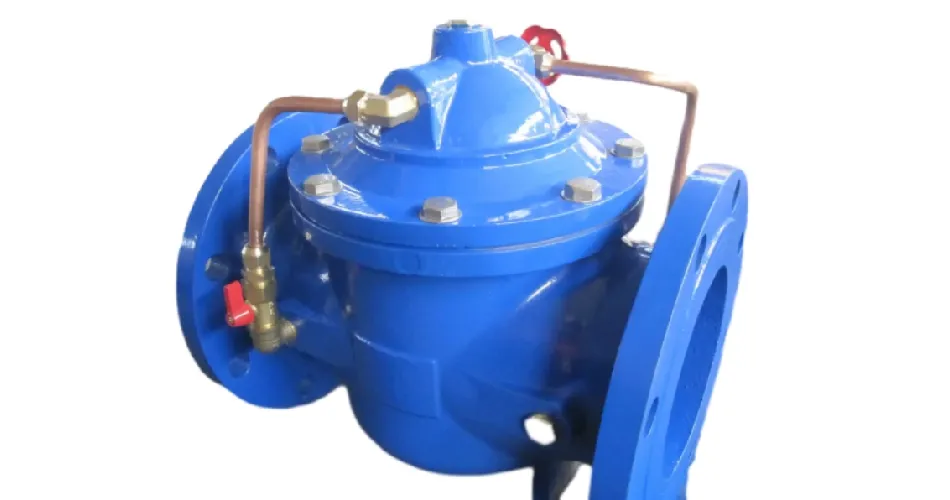
Válvula Strainer Tipo Y - Proteção Eficiente para Sistemas de Tubulação
Válvula de Strainer do Tipo Y Importância e Aplicações As válvulas de strainer, conhecidas também co
Y Type Strainer Future Innovations
The industrial landscape is continuously evolving, driven by technological advancements and the need

veitsen porttiventtiilityypit
Knife gate -venttiilit ovat erityinen venttiilityyppi, joka on suunniteltu erityisesti kiinteiden ja
 English